


-
摘要: 工业时间序列数据常伴随缺失、漂移等异常情况, 给准确预测带来挑战. 提出一种结合迁移学习的ESN-AR模型以应对这些问题. 具体而言, 将异常数据集作为目标域, 首先采用动态时间规整筛选源域数据. 不同于仅利用源域数据进行参数初始化的传统迁移学习方法, 将源域数据的自回归特征引入ESN储备池. 该储备池统一处理目标域与源域数据的状态更新, 使源域健康的趋势信息能够持续参与目标域的预测过程. 这一设计增强了对趋势信息的关注, 从而提高了模型在数据异常时的预测鲁棒性. 接着, 通过递归最小二乘法在线更新跨域共享的输出权重, 实现知识的有效迁移. 最后, 基于风电场风电功率数据的实验结果表明, 即使在数据漂移、缺失以及低相似度的情况下, 该方法仍能保持优异的预测性能.Abstract: Industrial time-series data are often plagued by anomalies such as missing values and data drift, which pose challenges to accurate prediction. This paper proposes an ESN-AR model integrated with transfer learning to address the above issues. Specifically, the anomalous dataset is regarded as the target domain, and dynamic time warping is firstly adopted to screen source domain data. Different from conventional transfer learning methods that only use source domain data for parameter initialization, the autoregressive features of source domain data are introduced into the ESN reservoir. The reservoir uniformly performs state updating for both source and target domain data, enabling trend information from healthy source domain to continuously participate in the prediction of the target domain. This design strengthens the capture of trend information and improves the prediction robustness of the model under data anomalies. Furthermore, recursive least squares is utilized to online update cross-domain shared output weights, so as to realize effective knowledge transfer. Finally, experimental results based on wind power data of wind farms verify that the proposed method maintains superior prediction performance even under conditions of data drift, missing data and low similarity.
-
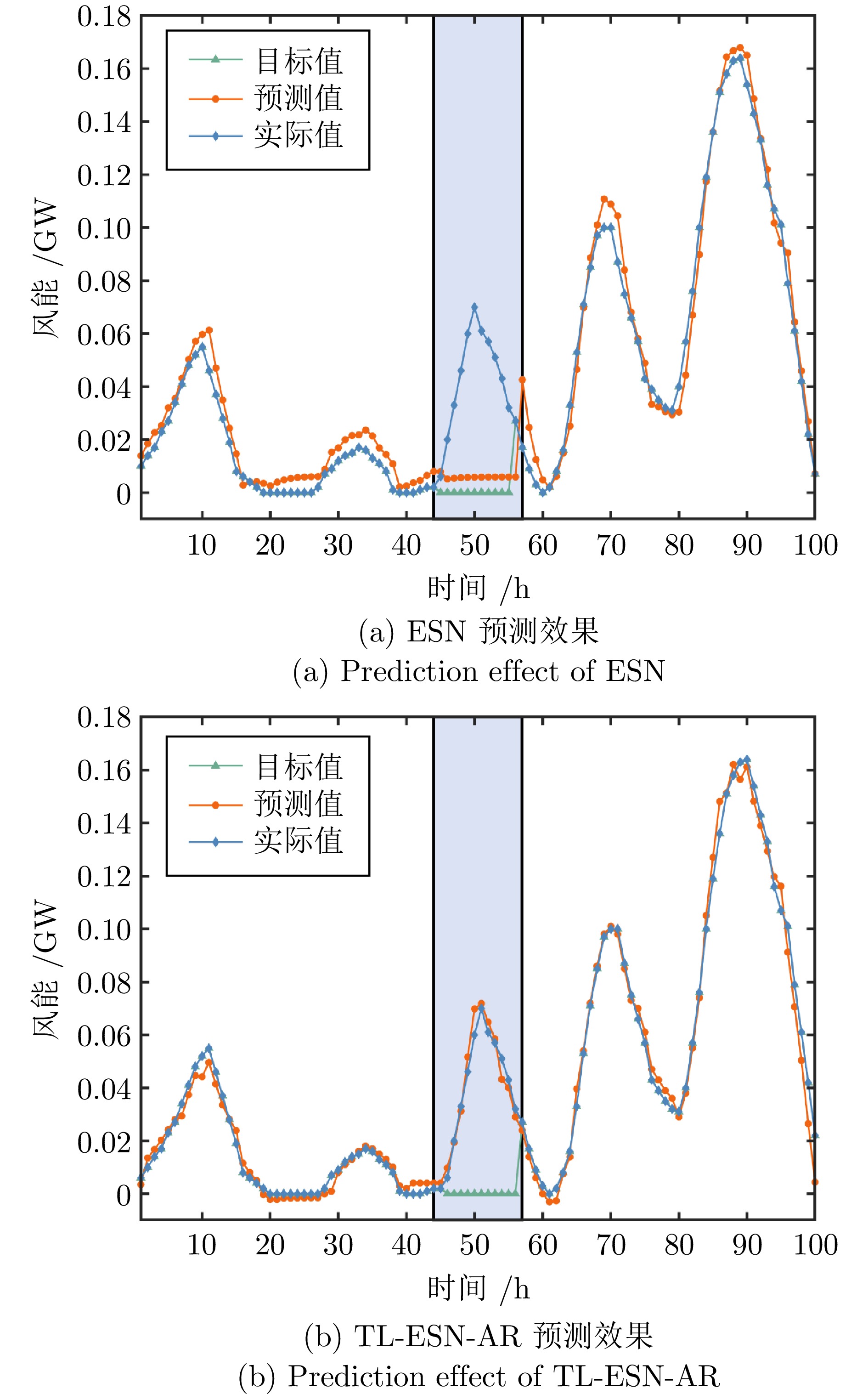
图 7 目标域数据缺失时的预测效果对比
Fig. 7 Comparison of prediction performance under target domain data missing
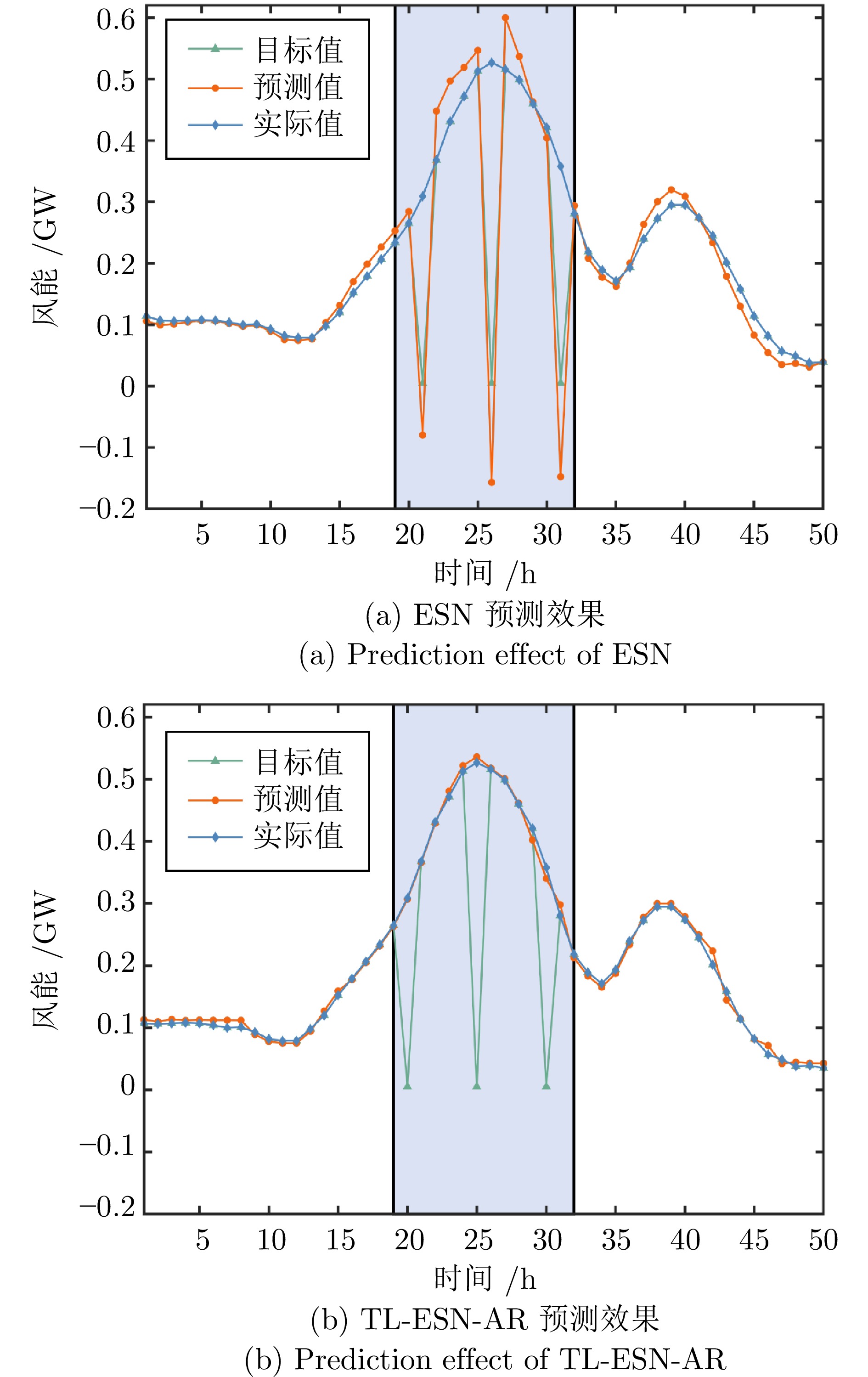
图 8 目标域数据漂移时的预测效果对比
Fig. 8 Comparison of prediction performance under target domain data drift
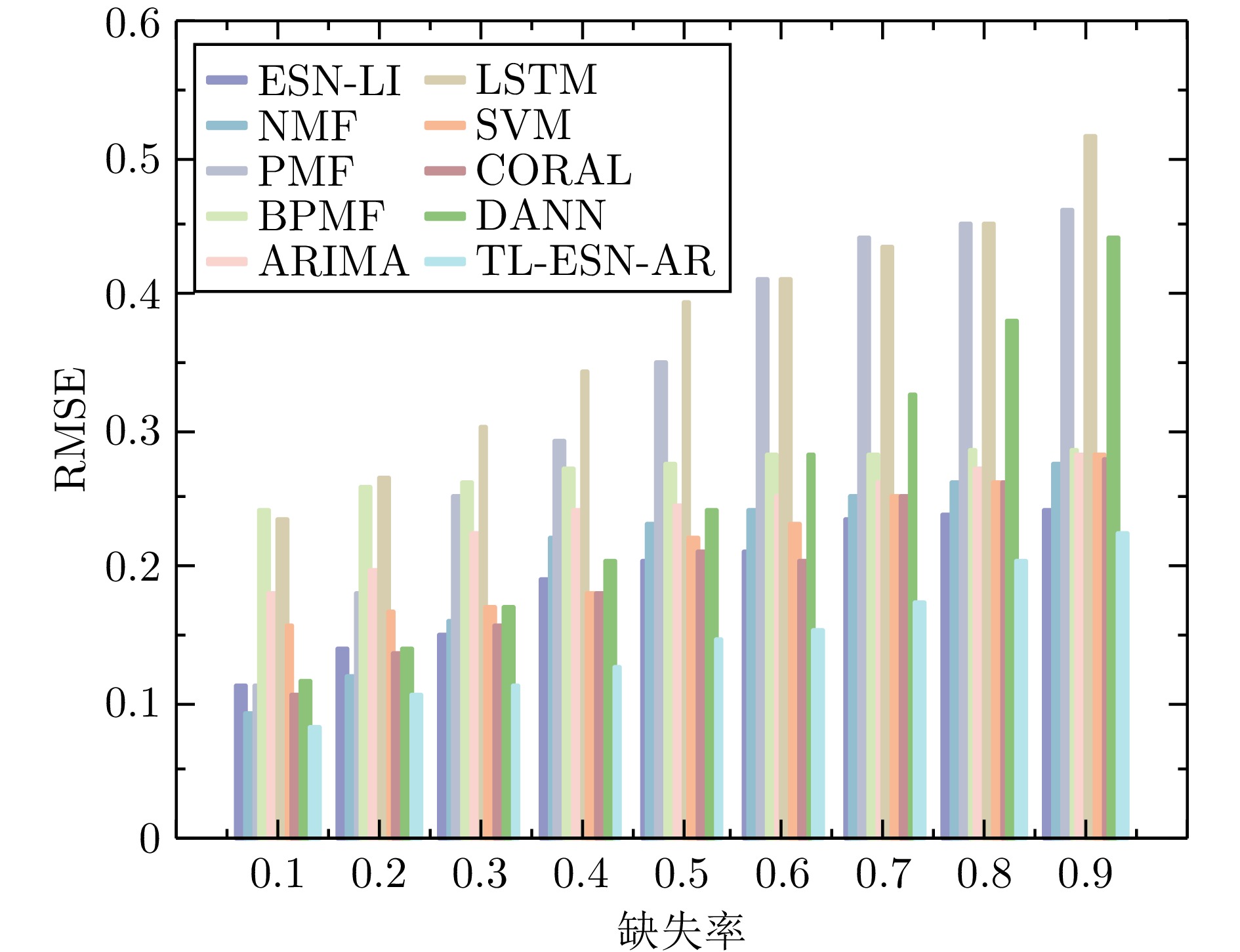
图 9 不同缺失率时各网络预测结果对比
Fig. 9 Comparison of prediction results for various networks at different missing rates
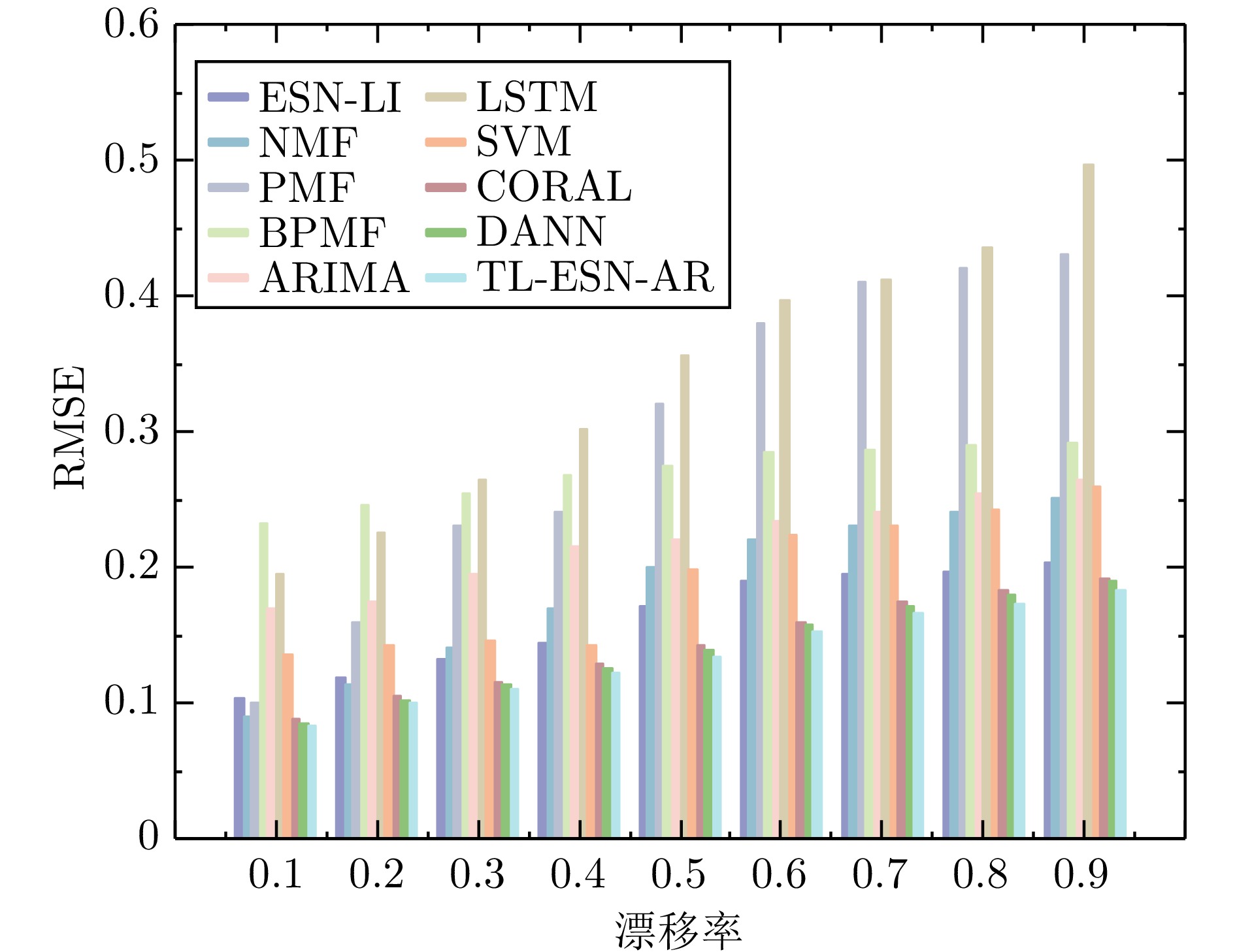
图 10 不同漂移率时各网络预测结果对比
Fig. 10 Comparison of prediction results for various networks at different drift rates
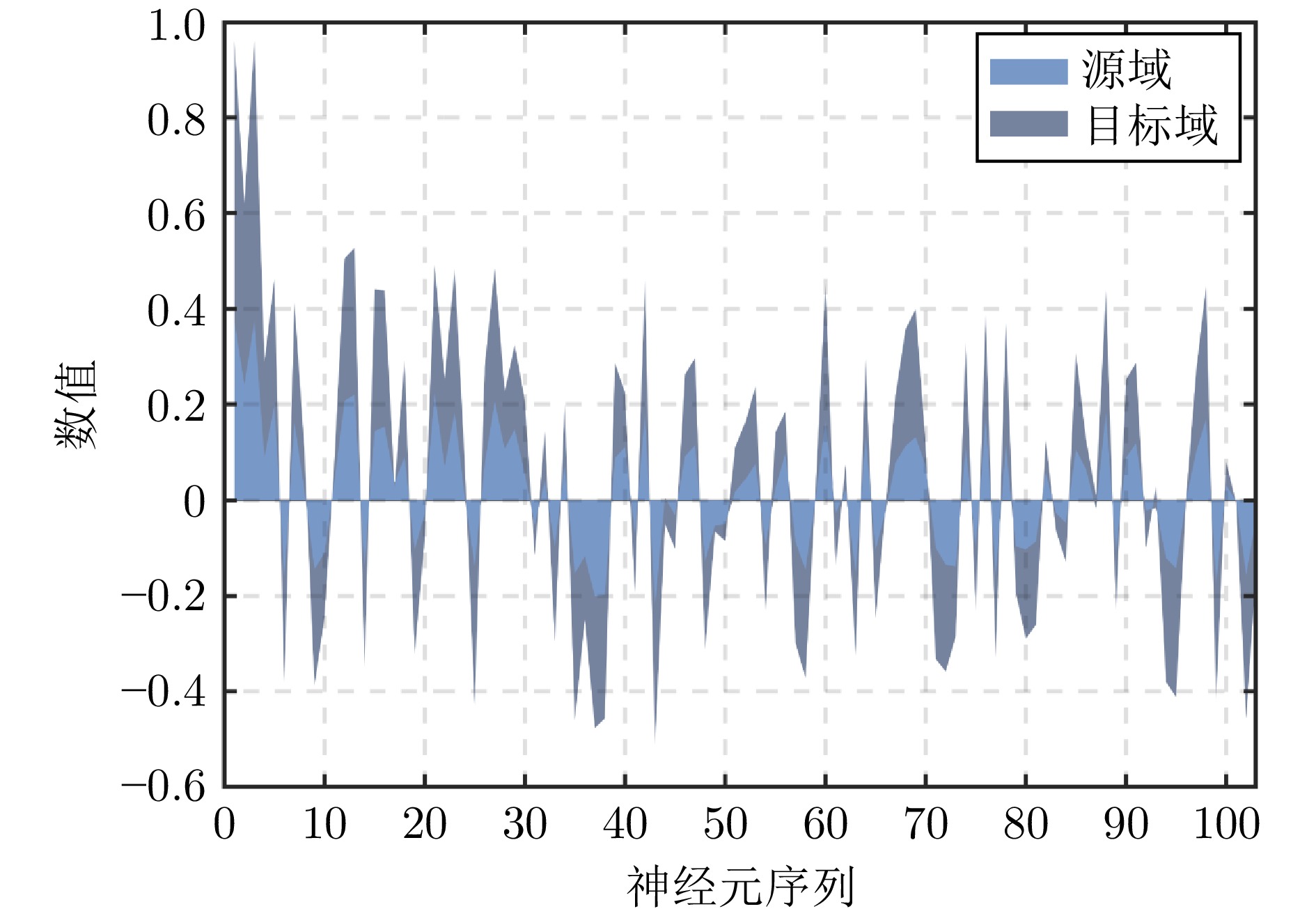
图 11 目标域与源域神经元激活模式一致性分析
Fig. 11 Consistency analysis of neuron activation patterns in target and source domains
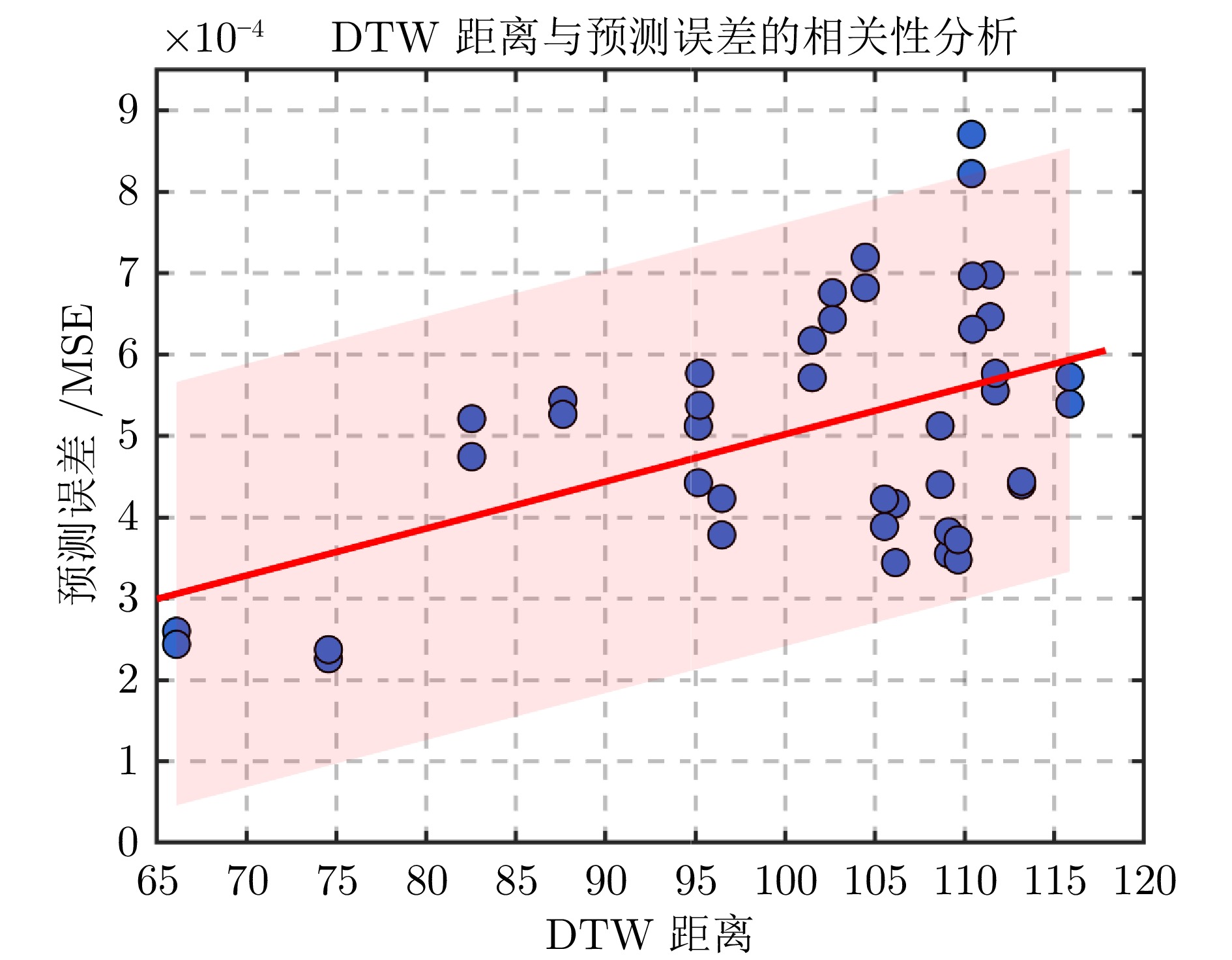
图 12 不同DTW距离下TL-ESN-AR模型的预测误差
Fig. 12 DTW distances versus prediction errors of the TL-ESN-AR model
表 1 风电场数据出现缺失现象时的预测结果比较
Table 1 Comparison of prediction results when wind farm data is missing
风电场 ESN ESN-AR TL-ESN-AR 1号风电场 1-3 1.1425e-04 1.1511e-04 1.6103e-05 1号风电场 1-5 4.4842e-04 4.6593e-04 2.0002e-04 6号风电场 6-5 9.4324e-03 1.2453e-02 5.3012e-05 3号风电场 3-4 1.5147e-03 1.9635e-03 9.3847e-05 注: 表中a-b表示目标域为a号风电场, 源域为b号风电场  下载: 导出CSV
表 2 风电场数据出现漂移现象时的预测结果比较
Table 2 Comparison of prediction results when wind farm data drifts
风电场 ESN ESN-AR TL-ESN-AR 1号风电场 1-3 1.2664e-03 3.9044e-03 2.6416e-04 1号风电场 1-5 1.7357e-02 4.5748e-02 1.2244e-04 6号风电场 6-5 6.8516e-03 1.8574e-02 1.1937e-04 3号风电场 3-4 1.7675e-03 4.9887e-03 2.0831e-04 注: 表中a-b表示目标域为a号风电场, 源域为b号风电场
下载: 导出CSV
表 3 风电功率数据集之间的相似性
Table 3 Similarity between wind power datasets
数据集1 数据集2 1号风电场 2号风电场 3号风电场 4号风电场 5号风电场 6号风电场 7号风电场 1号风电场 – 109.09 115.86 95.16 87.63 96.46 104.46 2号风电场 109.09 – 113.18 106.14 105.53 108.63 110.38 3号风电场 115.86 113.18 – 111.42 111.71 109.63 110.44 4号风电场 95.16 106.14 111.42 – 101.50 74.56 82.55 5号风电场 87.63 105.53 111.71 101.50 – 95.23 102.63 6号风电场 96.46 108.63 109.63 74.56 95.23 – 66.09 7号风电场 104.46 110.38 110.44 82.55 102.63 66.09 –
下载: 导出CSV
表 4 风电功率数据直接补充预测结果
Table 4 Wind power data directly supplements the prediction results
目标域 源域 1号风电场 2号风电场 3号风电场 4号风电场 5号风电场 6号风电场 7号风电场 1号风电场 – 9.9702e-03 9.6227e-03 9.6319e-03 7.6227e-03 7.8785e-03 1.0068e-02 2号风电场 8.0657e-03 – 6.5947e-03 8.3203e-03 6.4981e-03 7.0318e-03 8.8951e-03 3号风电场 1.4342e-03 1.7375e-03 – 1.5804e-03 1.3043e-03 1.1789e-03 1.8551e-03 4号风电场 1.0954e-02 1.3123e-02 1.0478e-02 – 9.2132e-03 8.2412e-03 1.4162e-02 5号风电场 2.0573e-02 1.9652e-02 1.7771e-02 1.9973e-02 – 2.1722e-02 1.9042e-02 6号风电场 9.0944e-03 1.1532e-02 8.8594e-03 1.0266e-02 7.4853e-03 – 1.2552e-02 7号风电场 1.1693e-02 1.3607e-02 1.0857e-02 1.2347e-02 1.0064e-02 9.4542e-03 –
下载: 导出CSV
表 5 风电功率数据TL-ESN-AR预测结果
Table 5 Wind power data TL-ESN-AR prediction results
目标域 源域 1号风电场 2号风电场 3号风电场 4号风电场 5号风电场 6号风电场 7号风电场 1号风电场 – 3.5509e-04 5.3931e-04 4.4268e-04 5.4361e-04 3.7855e-04 6.8189e-04 2号风电场 3.8254e-04 – 4.3993e-04 4.1699e-04 4.2264e-04 5.1217e-04 8.7065e-04 3号风电场 5.7234e-04 4.4412e-04 – 6.9779e-04 5.5516e-04 3.4778e-04 6.9650e-04 4号风电场 5.1178e-04 3.4436e-04 6.4629e-04 – 5.7136e-04 2.2608e-04 5.2098e-04 5号风电场 5.2633e-04 3.8884e-04 5.7675e-04 6.1722e-04 – 5.3740e-04 6.7593e-04 6号风电场 4.2324e-04 4.4037e-04 3.7248e-04 2.3742e-04 5.7685e-04 – 2.6001e-04 7号风电场 7.1959e-04 8.2231e-04 6.3098e-04 4.7455e-04 6.4307e-04 2.4399e-04 –
下载: 导出CSV
-
[1] Tønnes M B K, Schuller F, Cantin E, Lopez O, le Targat R, Amy-Klein A, et al. Coherent fiber links operated for years: Effect of missing data. Metrologia, 2022, 59(6): 065004−065018 doi: 10.1088/1681-7575/ac938e [2] Liu H N, Wu Y P, Cao Y C, Lv W J, Han H W, Li Z R, et al. Well logging based lithology identification model establishment under data drift: A transfer learning method. Sensors, 2020, 20(13): 3643−3659 doi: 10.3390/s20133643 [3] 陈中林, 杨翠丽, 乔俊飞. 基于TG-LSTM神经网络的非完整时间序列预测. 控制理论与应用, 2022, 39(5): 867−878Chen Zhong-Lin, Yang Cui-Li, Qiao Jun-Fei. The prediction of incomplete time series via TG-LSTM neural network. Control Theory & Applications, 2022, 39(5): 867−878 [4] 王守霞, 尤进红, 黄涛. 存在趋势和周期特征的非平稳时间序列的建模及其应用. 中国科学: 数学, 2022, 52(2): 177−208 doi: 10.1360/SSM-2019-0226Wang Shou-Xia, You Jin-Hong, Huang Tao. Modelling and applications for non-stationary time series in the presence of trend and period. Scientia Sinica (Mathematica), 2022, 52(2): 177−208 doi: 10.1360/SSM-2019-0226 [5] 李兆玺, 刘红岩. 融合全局和序列特征的多变量时间序列预测方法. 计算机学报, 2023, 46(1): 70−84 doi: 10.11897/SP.J.1016.2023.00070Li Zhao-Xi, Liu Hong-Yan. Combining global and sequential patterns for multivariate time series forecasting. Journal of Computer Science, 2023, 46(1): 70−84 doi: 10.11897/SP.J.1016.2023.00070 [6] 董红斌, 韩爽, 付强. 基于AR与DNN联合模型的地理传感器时间序列预测. 计算机科学, 2023, 50(11): 41−48 doi: 10.11896/jsjkx.230500231Dong Hong-Bin, Han Shuang, Fu Qiang. Geo-sensory time series prediction based on joint model of auto regression and deep neural network. Computer Science, 2023, 50(11): 41−48 doi: 10.11896/jsjkx.230500231 [7] 范黎林, 杨凯, 毛文涛, 罗铁军, 刘洋硕, 刘侠. 融合结构化信息与时序演化信息的多变量间歇性时间序列预测. 控制与决策, 2024, 39(1): 263−270Fan Li-Lin, Yang Kai, Mao Wen-Tao, Luo Tie-Jun, Liu Yang-Shuo, Liu Xia. Multivariate intermittent time series forecasting with fusion of structured information and temporal evolution information. Control and Decision, 2024, 39(1): 263−270 [8] 刘颖, 刘若愚, 赵珺, 王伟. 基于变分推理回声状态网络集成模型的工业数据区间预测. 控制理论与应用, 2018, 35(8): 1066−1073 doi: 10.7641/CTA.2018.70565Liu Ying, Liu Ruo-Yu, Zhao Jun, Wang Wei. Variational inference-based echo state network ensemble model for intervals prediction of industrial data. Control Theory & Applications, 2018, 35(8): 1066−1073 doi: 10.7641/CTA.2018.70565 [9] 张昭昭, 朱应钦, 余文. 具有双储层结构的动态误差补偿回声状态网络. 控制理论与应用, 2024, 41(3): 385−395Zhang Zhao-Zhao, Zhu Ying-Qin, Yu Wen. A new echo state network with a double reservoir compensates for dynamic error. Control Theory & Applications, 2024, 41(3): 385−395 [10] 郭伟, 姚欢, 张昭昭, 朱应钦. 基于强化学习的储层神经元筛选优化方法. 控制与决策, 2024, 39(9): 2876−2884 doi: 10.13195/j.kzyjc.2023.0444Guo Wei, Yao Huan, Zhang Zhao-Zhao, Zhu Ying-Qin. Optimization method for reservoir neuron selection based on reinforcement learning. Control and Decision, 2024, 39(9): 2876−2884 doi: 10.13195/j.kzyjc.2023.0444 [11] 易诚明, 周平, 柴天佑. 基于即时学习的高炉炼铁过程数据驱动自适应预测控制. 控制理论与应用, 2020, 37(2): 295−306Yi Cheng-Ming, Zhou Ping, Chai Tian-You. Data-driven just-in-time learning based adaptive predictive control for blast furnace ironmaking. Control Theory & Applications, 2020, 37(2): 295−306 [12] 赵志彪, 刘彬. 水泥篦冷机出口熟料温度自适应辨识模型. 控制理论与应用, 2019, 36(4): 651−658 doi: 10.7641/CTA.2018.70932Zhao Zhi-Biao, Liu Bin. Adaptive identification model for export clinker temperature in cement grate cooler. Control Theory & Applications, 2019, 36(4): 651−658 doi: 10.7641/CTA.2018.70932 [13] Yang X Y, Zheng Y, Zhang Y, Wong D S H, Yang W D. Bearing remaining useful life prediction based on regression shapalet and graph neural network. IEEE Transactions on Instrumentation and Measurement, 2022, 71(1): 1−12 [14] Qin C H, Liu Y S, Wang T, Qiu J, Li M. TOGA-based fuzzy grey cognitive map for spacecraft debris avoidance. IEEE Transactions on Fuzzy Systems, 2025, 33(6): 1793−1802 doi: 10.1109/TFUZZ.2025.3536785 [15] Chen L, Wang L Q, Zhao J, Wang W. Relevance vector machines-based time series prediction for incomplete training dataset: Two comparative approaches. IEEE Transactions on Cybernetics, 2019, 51(8): 4298−4311 doi: 10.1109/tcyb.2019.2923434 [16] Zhang D B, Lin R B, Wei T T, Ling L W, Huang J J. A novel deep transfer learning framework with adversarial domain adaptation: Application to financial time-series forecasting. Neural Computing and Applications, 2023, 35(34): 24037−24054 doi: 10.1007/s00521-023-09047-1 [17] 张童彦, 廖清芬, 唐飞, 李宇, 王嘉乐, 邓晖鹏. 基于气象资源插值与迁移学习的广域分布式光伏功率预测方法. 中国电机工程学报, 2023, 43(20): 7929−7940Zhang Tong-Yan, Liao Qing-Fen, Tang Fei, Li Yu, Wang Jia-Le, Deng Hui-Peng. Wide-area distributed photovoltaic power forecast method based on meteorological resource interpolation and transfer learning. Proceedings of the CSEE, 2023, 43(20): 7929−7940 [18] Hu Q, Zhang R, Zhou Y. Transfer learning for short-term wind speed prediction with deep neural networks. Renewable Energy, 2016, 85(1): 83−95 [19] 韩红桂, 王玉爽, 刘峥, 孙浩源, 乔俊飞. 知识和数据驱动的污水处理反硝化脱氮过程协同优化控制. 自动化学报, 2024, 50(6): 1221−1233 doi: 10.16383/j.aas.c230695Han Hong-Gui, Wang Yu-Shuang, Liu Zheng, Sun Hao-Yuan, Qiao Jun-Fei. Collaborative optimization control of the reverse nitrogen removal process in wastewater treatment driven by knowledge and data. Acta Automatica Sinica, 2024, 50(6): 1221−1233 doi: 10.16383/j.aas.c230695 [20] Gu Q T, Dai Q, Yu H H, Ye R. Integrating multi-source transfer learning, active learning and metric learning paradigms for time series prediction. Applied Soft Computing Journal, 2021, 109(3): 107583−107599 [21] Lee Y, Jeong J. TSMixer- and transfer learning-based highly reliable prediction with short-term time series data in small-scale solar power generation systems. Energies, 2025, 18(4): 1−21 [22] 蒋珂, 蒋朝辉, 谢永芳, 潘冬, 桂卫华. 基于动态注意力深度迁移网络的高炉铁水硅含量在线预测方法. 自动化学报, 2023, 49(5): 949−963 doi: 10.16383/j.aas.c210524Jiang Ke, Jiang Zhao-Hui, Xie Yong-Fang, Pan Dong, Gui Wei-Hua. Online prediction method of blast furnace hot metal silicon content based on dynamic attention deep transfer network. Acta Automatica Sinica, 2023, 49(5): 949−963 doi: 10.16383/j.aas.c210524 [23] 薄迎春, 张欣, 刘宝, 王平. 稀疏连接的异步池计算网络. 中国科学: 信息科学, 2021, 51(5): 764−778Bo Ying-Chun, Zhang Xin, Liu Bao, Wang Ping. Asynchronous pooling computing network with sparse connections. Scientia Sinica (Informationis), 2021, 51(5): 764−778 [24] 张昭昭, 朱应钦, 乔俊飞, 余文. 一种基于行为空间的回声状态网络参数优化方法. 信息与控制, 2021, 50(5): 556−565Zhang Zhao-Zhao, Zhu Ying-Qin, Qiao Jun-Fei, Yu Wen. An echo state network parameter optimization method based on behavior space. Information and Control, 2021, 50(5): 556−565 [25] 王磊, 苏中, 乔俊飞, 赵静. 基于增量式学习的正则化回声状态网络. 控制与决策, 2022, 37(3): 661−668 doi: 10.13195/j.kzyjc.2020.1311Wang Lei, Su Zhong, Qiao Jun-Fei, Zhao Jing. Design of incremental regularized echo state network. Control and Decision, 2022, 37(3): 661−668 doi: 10.13195/j.kzyjc.2020.1311 [26] 包研科, 陈然, 郑宏杰, 冯永安, 王江. 指数平滑与自回归融合预测模型及实证. 计算机工程与应用, 2022, 58(14): 269−281 doi: 10.3778/j.issn.1002-8331.2010-0247Bao Yan-Ke, Chen Ran, Zheng Hong-Jie, Feng Yong-An, Wang Jiang. Index smoothing and autoregressive fusion forecasting model and its empirical study. Computer Engineering and Applications, 2022, 58(14): 269−281 doi: 10.3778/j.issn.1002-8331.2010-0247 [27] 高欣宇, 杜方, 宋丽娟. 基于扩散模型的文本图像生成对比研究综述. 计算机工程与应用, 2024, 60(24): 44−64 doi: 10.3778/j.issn.1002-8331.2405-0048Gao Xin-Yu, Du Fang, Song Li-Juan. Comparative review of text-to-image generation techniques based on diffusion models. Computer Engineering and Applications, 2024, 60(24): 44−64 doi: 10.3778/j.issn.1002-8331.2405-0048 [28] 王菲菲, 朱雪宁, 潘蕊. 广义网络向量自回归. 中国科学: 数学, 2021, 51(8): 1253−1266 doi: 10.1360/SCM-2018-0839Wang Fei-Fei, Zhu Xue-Ning, Pan Rui. Generalized network vector autoregression. Scientia Sinica (Mathematica), 2021, 51(8): 1253−1266 doi: 10.1360/SCM-2018-0839 [29] 李正欣, 郭建胜, 王瑛, 田舢, 张晓丰, 李超. DTW距离的过滤搜索方法. 控制与决策, 2018, 33(7): 1277−1281 doi: 10.13195/j.kzyjc.2017.0194Li Zheng-Xin, Guo Jian-Sheng, Wang Ying, Tian Shan, Zhang Xiao-Feng, Li Chao. Filtering search method for DTW distance. Control and Decision, 2018, 33(7): 1277−1281 doi: 10.13195/j.kzyjc.2017.0194 [30] 刘成菊, 林立民, 刘明, 陈启军. 一种基于DTW-GMM的机器人多机械臂多任务协同策略. 自动化学报, 2022, 48(9): 2187−2197 doi: 10.16383/j.aas.c190817Liu Cheng-Ju, Lin Li-Min, Liu Ming, Chen Qi-Jun. A multi-task collaborative strategy for multi-arm robot based on DTW-GMM. Acta Automatica Sinica, 2022, 48(9): 2187−2197 doi: 10.16383/j.aas.c190817 [31] 袁慧, 谭章禄, 王福浩. 一种高效的相似性度量方法及其分类效果研究. 中国科学: 技术科学, 2022, 52(7): 1096−1110 doi: 10.1360/SST-2022-0049Yuan Hui, Tan Zhang-Lu, Wang Fu-Hao. An efficient similarity measurement method and its classification effect. Scientia Sinica (Technologica), 2022, 52(7): 1096−1110 doi: 10.1360/SST-2022-0049 [32] 薄迎春, 张欣, 刘宝. 时间分割的池计算网络及其动力学. 控制理论与应用, 2019, 36(8): 1315−1321Bo Ying-Chun, Zhang Xin, Liu Bao. Temporally segregated reservoir computing and its dynamics. Control Theory & Applications, 2019, 36(8): 1315−1321 [33] 何莎, 周熙人, 陈秋菊. 多元时间序列的回声状态网络模型表达与分类. 计算机工程与应用, 2023, 59(15): 132−140 doi: 10.3778/j.issn.1002-8331.2204-0344He Sha, Zhou Xi-Ren, Chen Qiu-Ju. Representation and classification of echo state network models for multivariate time series. Computer Engineering and Applications, 2023, 59(15): 132−140 doi: 10.3778/j.issn.1002-8331.2204-0344 [34] 武加文, 李光辉. 基于GABP-KF的WSN数据漂移盲校准算法. 智能系统学报, 2019, 14(2): 254−262 doi: 10.11992/tis.201712003Wu Jia-Wen, Li Guang-Hui. GABP-KF-based blind calibration algorithm of data drift in wireless sensor networks. Journal of Intelligent Systems, 2019, 14(2): 254−262 doi: 10.11992/tis.201712003 -

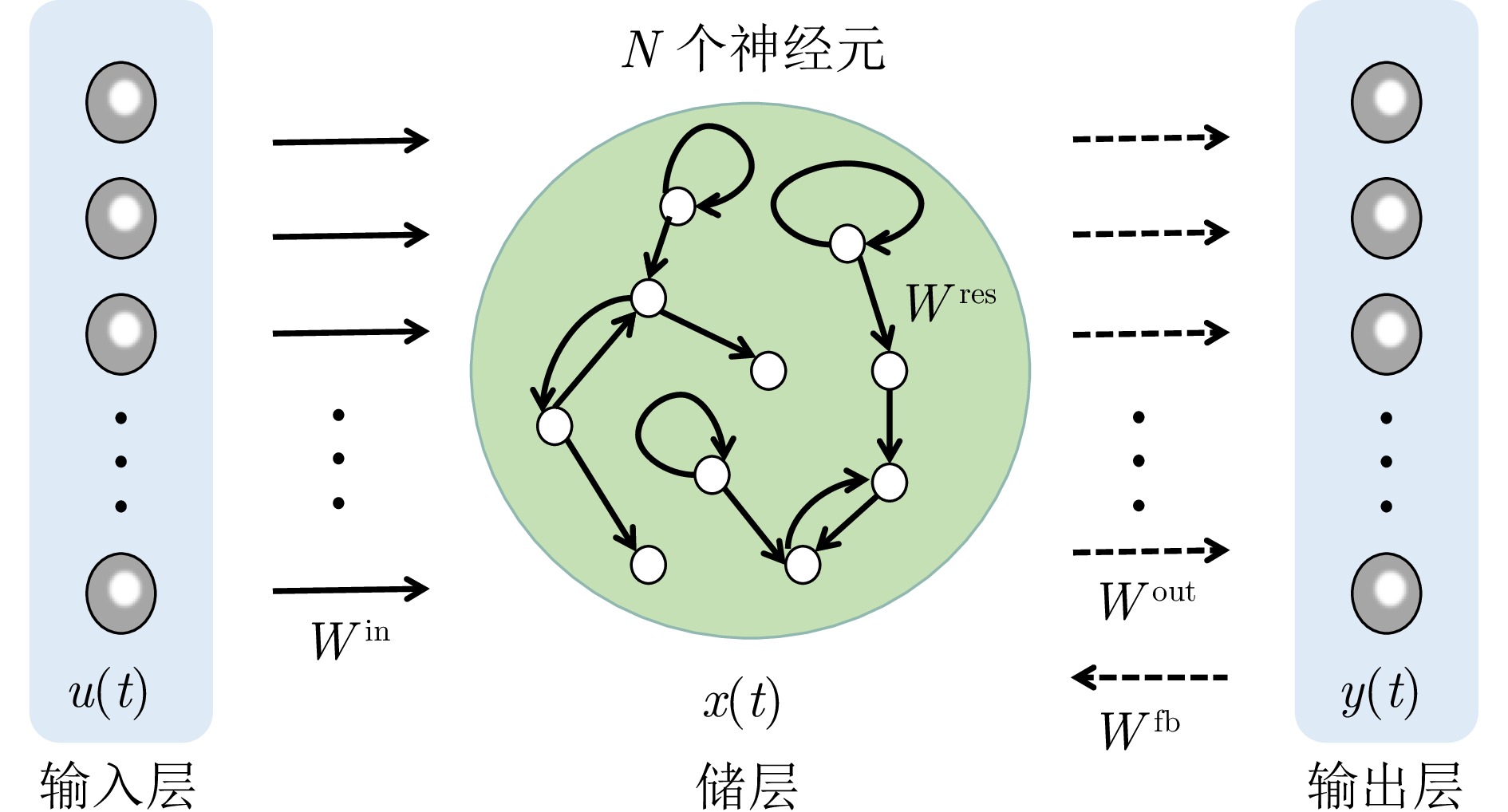
 下载:
下载:
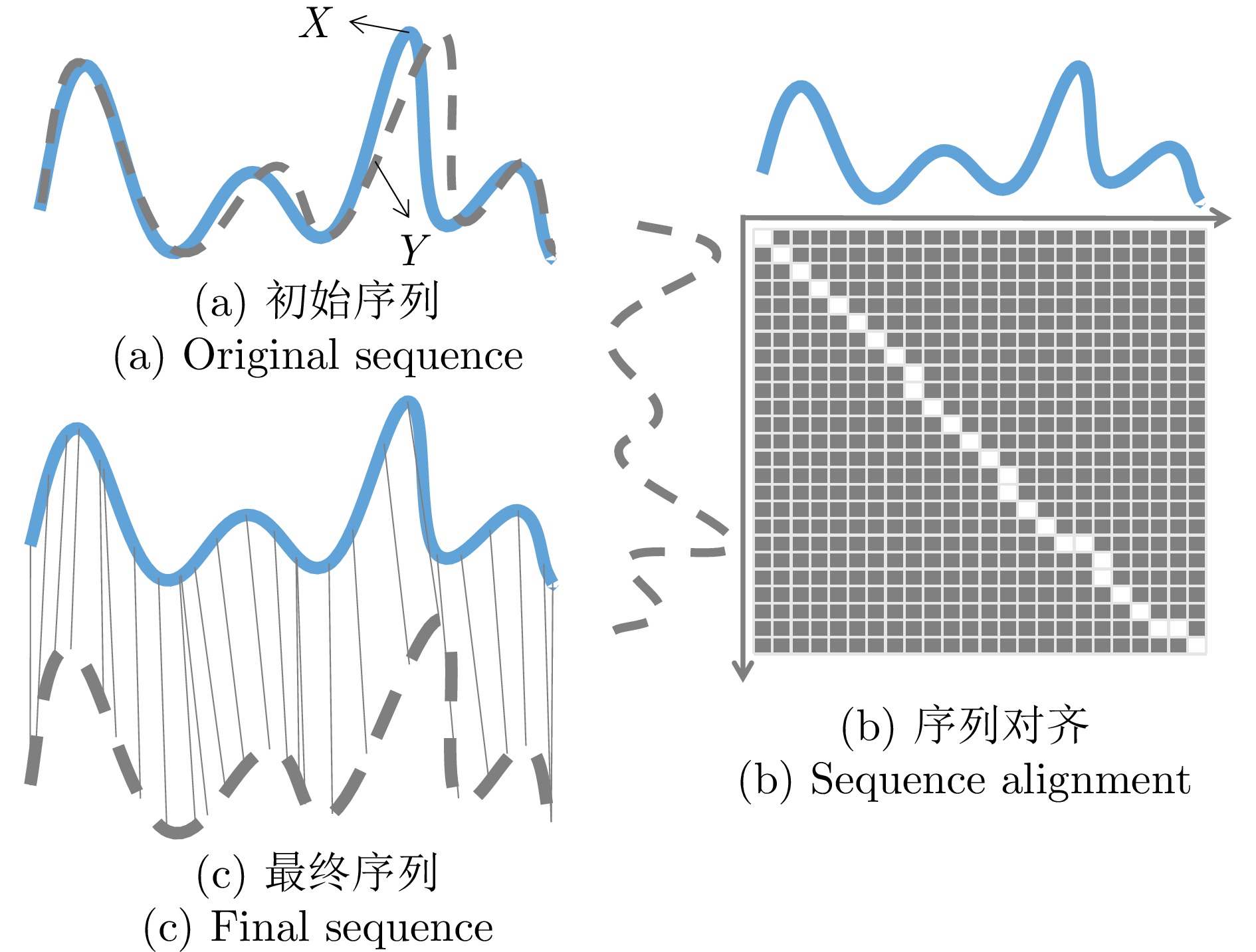

计量
- 文章访问数: 119
- HTML全文浏览量: 108
- 被引次数: 0
